Archives
- 2026-10
- 2026-09
- 2026-08
- 2026-07
- 2026-06
- 2026-05
- 2026-04
- 2026-03
- 2026-02
- 2026-01
- 2025-12
- 2025-11
- 2025-10
- 2025-09
- 2025-03
- 2025-02
- 2025-01
- 2024-12
- 2024-11
- 2024-10
- 2024-09
- 2024-08
- 2024-07
- 2024-06
- 2024-05
- 2024-04
- 2024-03
- 2024-02
- 2024-01
- 2023-12
- 2023-11
- 2023-10
- 2023-09
- 2023-08
- 2023-07
- 2023-06
- 2023-05
- 2023-04
- 2023-03
- 2023-02
- 2023-01
- 2022-12
- 2022-11
- 2022-10
- 2022-09
- 2022-08
- 2022-07
- 2022-06
- 2022-05
- 2022-04
- 2022-03
- 2022-02
- 2022-01
-
To identify factors associated with being HCV
2022-04-19
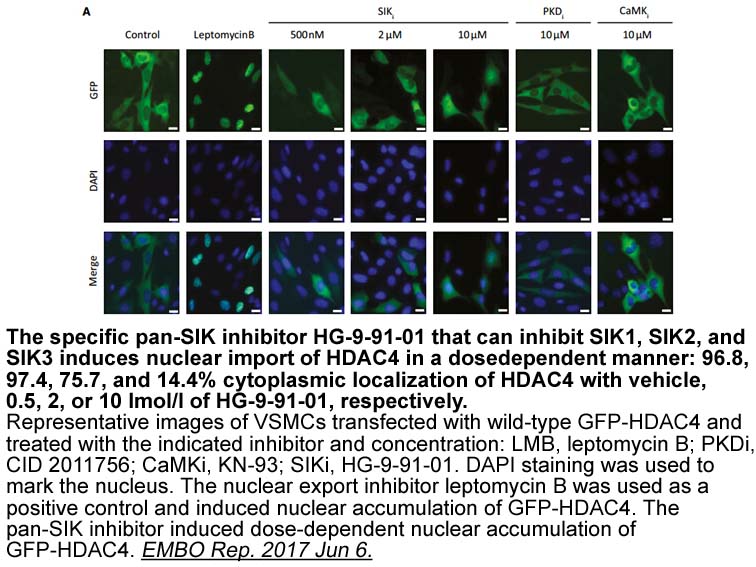
To identify factors associated with being HCV-unaware, univariable and multivariable logistic model were used, odds ratios, 95% confidence intervals and p-values were reported. We included in the multivariable model factors associated with unawareness of HCV infection in univariable analysis with a
-
br STAR Methods br Acknowledgments Anthony Koleske is
2022-04-18
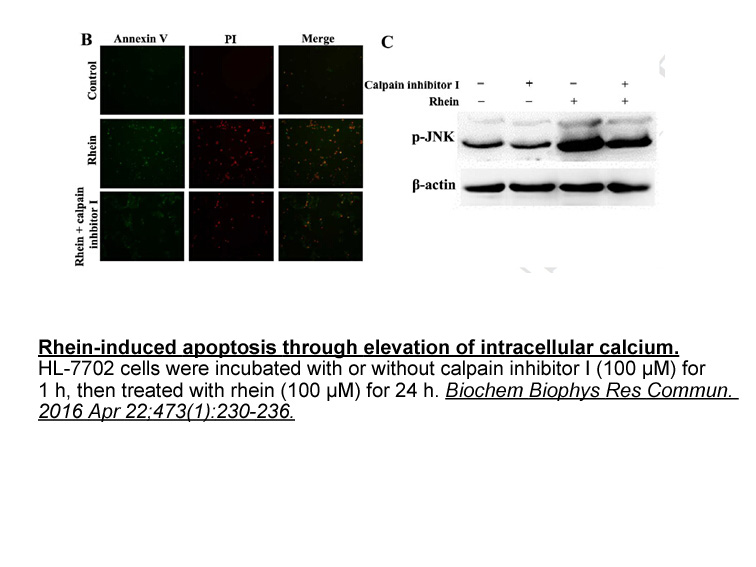
STAR★Methods Acknowledgments Anthony Koleske is thanked for helpful discussions and for providing p190RhoGAP-A cDNA. Anatoly Kiyatkin and Mark Lemmon are thanked for use of the BioTek Synergy 2 plate reader for the MANT assays. Leena Kuruvilla is thanked for assistance with the thermal shift a
-
br Rho family GTPases are molecular switches most which cycl
2022-04-18
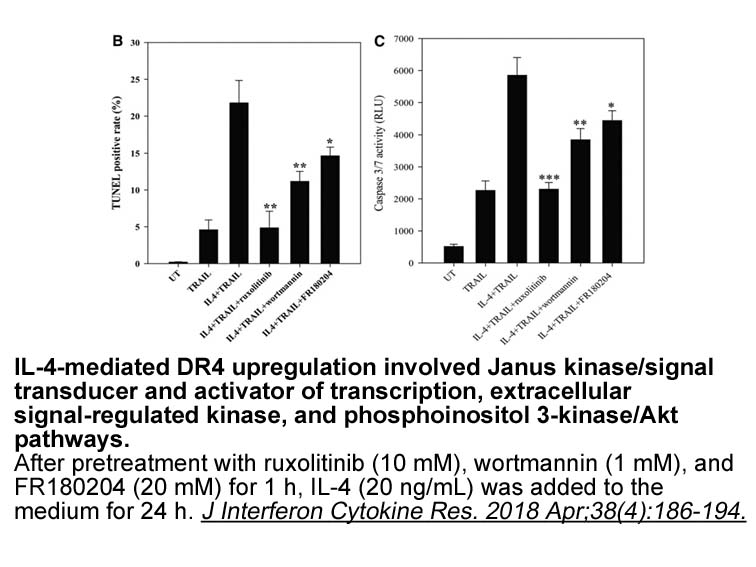
Rho-family GTPases are molecular switches; most which cycle from an ‘on’ GTP bound state to an ‘off’ GDP bound state, driven by GEFs (guanine nucleotide exchange factors) and GAPs (GTPase-activating proteins) respectively. Association with lipid membranes through a lipid (farnesyl or geranylgerany
-
GPR GPR GPR GPR and GPR all shared identities to
2022-04-18

GPR80, GPR81, GPR82, GPR93 and ψGPR79 all shared identities to P2Y GPCRs or P2Y-like oGPCRs. Previously, at least three different nucleotide receptor phenotypes have been observed in mammalian tissue, including GPCRs activated by rosmarinic acid nucleotides (e.g. P2Y1 and P2Y11), uridine nucleotides
-
GPR is a member of the G protein coupled receptor
2022-04-18
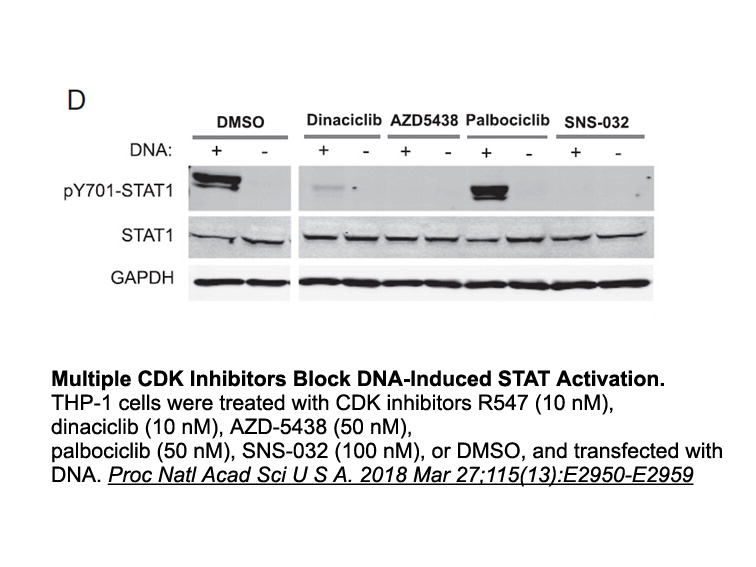
GPR119 is a member of the G protein-coupled receptor family, and is highly expressed in pancreatic β-cells and intestinal endocrine cells. It has been proposed that GPR119 agonists modulate glucose homeostasis by indirectly stimulating glucose-dependent insulin release through enhancing pancreatic c
-
Disrupting the dialog between microbiota and the host
2022-04-18
Disrupting the dialog between microbiota and the host, especially at the level of mucosal immunology, is expected to have profound effects on disease development. By using the AOM+DSS model of colitis-associated CRC, Singh et al. (2014) showed that development of inflammation and CRC are exacerbated
-
Spatial working memory improved in the
2022-04-18

Spatial working memory improved in the Balb/c strain at a dose of VU0410120 (i.e., 30mg/kg) that disrupted spatial working memory in the Swiss Webster comparator strain. Consistent with a recent PET study in rhesus macaques suggesting a relationship between the extent of the dose-dependent occupancy
-
br Functional organization of postsynaptic glutamate recepto
2022-04-18
Functional organization of postsynaptic glutamate receptors Downstream effects of glutamate receptor positioning Mechanisms underlying the subsynaptic positioning of glutamate receptors Conclusions and future prospects The molecular organization of synapses is undoubtedly a critical dete
-
br Materials and methods br Results Analysis of
2022-04-18
Materials and methods Results Analysis of the post-mortem human prefrontal cortex by western blotting indicated that GLAST expression was increased 1.6-fold in the extracts of alcoholic brains relative to controls (Fig. 1A and B). To resolve the distinct sub-pools of GLAST within our samples w
-
In the present study compared to diabetic control rats hepat
2022-04-18
In the present study, compared to diabetic control rats, hepatic glucose-6-phosphatase activity was significantly decreased in both SE and METF treated diabetic animals, with the latter producing greater reduction in glucose-6-phosphatase activity. This observation is consistent with the claim of Ta
-
br GR Is a Transcriptional
2022-04-18
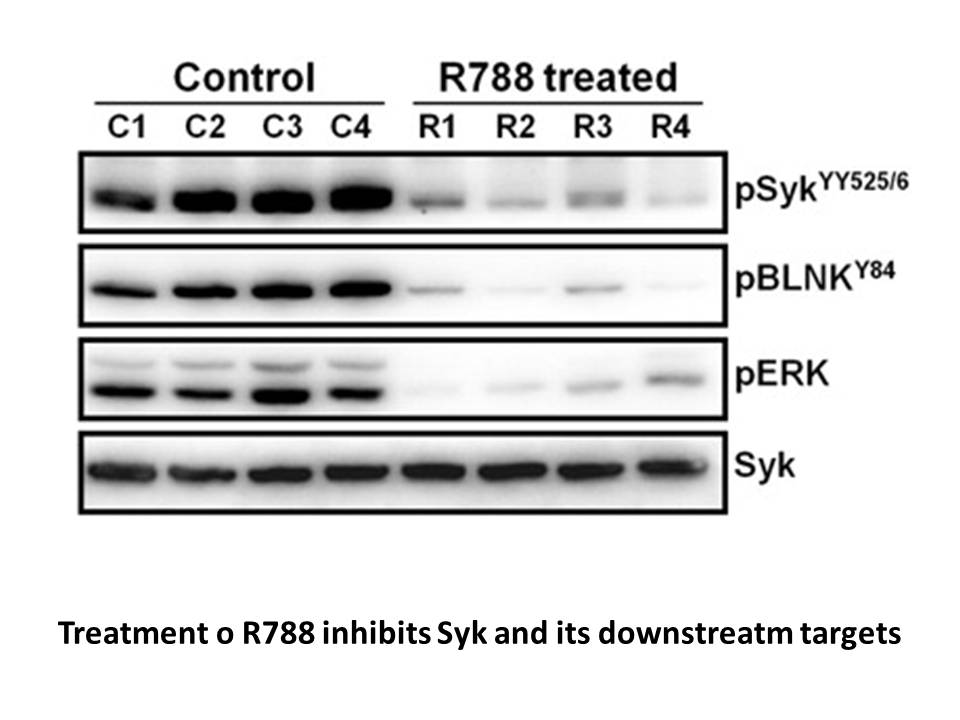
GR Is a Transcriptional Activator How GR activates some genes while repressing others remains unsettled after decades of study. While significant controversy exists regarding GR-mediated repression, a consensus model for transcriptional activation has emerged: GR activates transcription through s
-
nkcc inhibitor Despite potent biological actions the native
2022-04-18
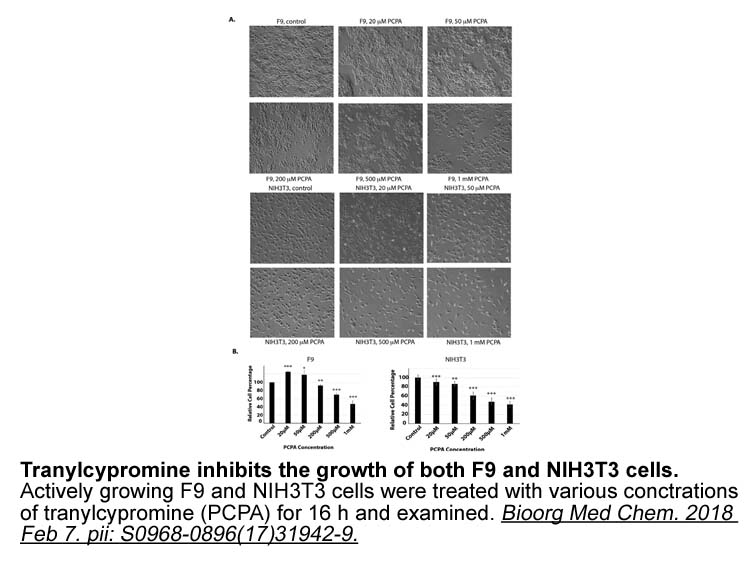
Despite potent biological actions, the native hormone undergoes degradation by the enzyme dipeptidylpeptidase-IV (DPP-IV) [17] and is rapidly cleared from the bloodstream by renal filtration [18]. One such approach to prolong the biological half-life of GIP is through conjugation with a polyethylene
-
br Acknowledgments This work was
2022-04-18
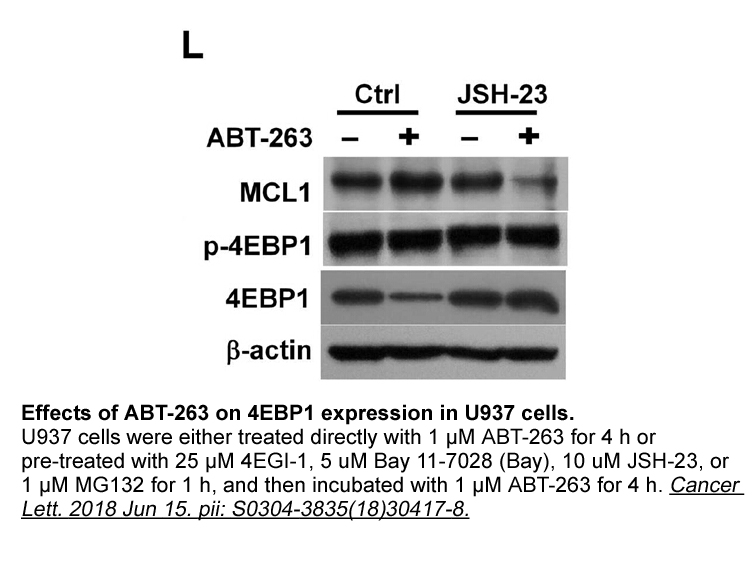
Acknowledgments This work was supported by the NIH (R01DK103884 to JMZ, R01DK100659 to JKE, and F32DK104659 and K01DK111644 to CMC), the Diana and Richard C. Strauss Professorship in Biomedical Research, the Mr. and Mrs. Bruce G. Brookshire Professorship in Medicine, the Kent and Jodi Foster Dist
-
In fact changes in mitochondrial dynamics
2022-04-18
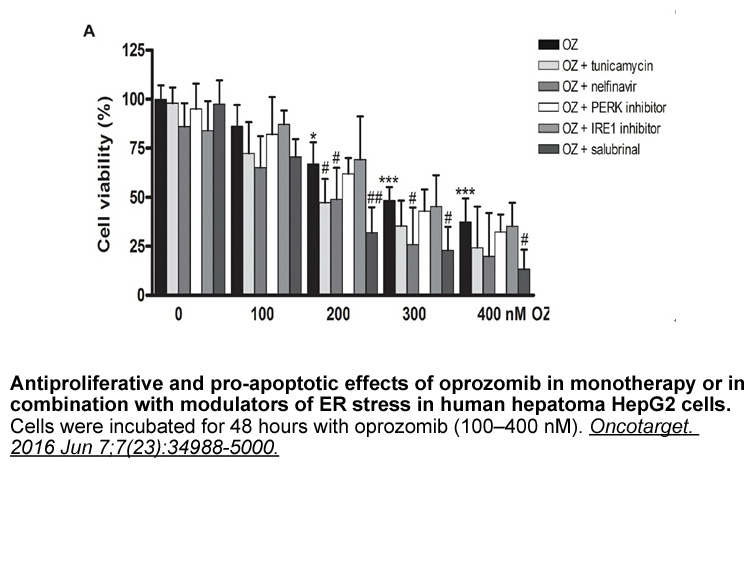
In fact, changes in mitochondrial dynamics directly affects many things including cellular metabolism [127], mitochondrial mass and turnover [128], mitochondrial transport, and calcium buffering [129]. Nigrostriatal DA neurons seem to have a preferential susceptibility to loss of Mfn2 when compared
-
br Materials and methods Manganese chloride MnCl H O
2022-04-18
Materials and methods Manganese chloride (MnCl2·4H2O), glutamate, glutamine, Lucifer Yellow, polyclonal anti-GFAP and MTT assay kits were purchased from Sigma Chemical Co. (St. Louis, MO). Dulbecco's Modified Eagle's Medium-F12 (DMEM-F12) with Earle's salts, foetal bovine serum, penicillin, and s
8567 records 508/572 page Previous Next First page 上5页 506507508509510 下5页 Last page