Archives
- 2026-10
- 2026-09
- 2026-08
- 2026-07
- 2026-06
- 2026-05
- 2026-04
- 2026-03
- 2026-02
- 2026-01
- 2025-12
- 2025-11
- 2025-10
- 2025-09
- 2025-03
- 2025-02
- 2025-01
- 2024-12
- 2024-11
- 2024-10
- 2024-09
- 2024-08
- 2024-07
- 2024-06
- 2024-05
- 2024-04
- 2024-03
- 2024-02
- 2024-01
- 2023-12
- 2023-11
- 2023-10
- 2023-09
- 2023-08
- 2023-07
- 2023-06
- 2023-05
- 2023-04
- 2023-03
- 2023-02
- 2023-01
- 2022-12
- 2022-11
- 2022-10
- 2022-09
- 2022-08
- 2022-07
- 2022-06
- 2022-05
- 2022-04
- 2022-03
- 2022-02
- 2022-01
-
Depending upon the varied habitats
2022-09-09
Depending upon the varied habitats (e.g. soil, water, animal digestive tracts, etc.), microbes possess a diverse range of carbohydrate ABC transporters and metabolic pathways (Rodionov et al., 2013; Bräsen et al., 2014). Thermus thermophilus HB8, a thermophilic gram-negative bacterium dwelling in ho
-
Ca independent release of L C glutamate and GABA
2022-09-09
Ca2+-independent release of L-[14C]glutamate and [3Н]GABA that occurs via transporters working in the reverse mode also insignificantly increased in vitamin D3 deficiency despite decreased GAT-3 and EAAC-1 faah inhibitors and neurotransmitter uptake efficacy Fig. 3, Fig. 6 A). However, the upward t
-
br Introduction Depression is a prevalent and
2022-09-09
Introduction Depression is a prevalent and disabling psychiatric illness that affects millions of individuals worldwide, resulting in enormous personal suffering and public health costs [1]. Traditional antidepressants such as monoamine oxidase inhibitors (MAOIs) and selective serotonin reuptake
-
To confirm that these were bona fide interactions we
2022-09-09
To confirm that these were bona fide interactions, we investigated whether the potassium channel subunits or Tmem263 formed complexes with GLT-1 or DAT after immunoprecipitation. Lysates of HEK-293 cells previously cotransfected with HA-GLT-1 or HA-DAT, and either YFP-Kv7.3, YFP-Kv7.2 or YFP-Kv7.5 w
-
br Experimental section br Acknowledgments MIN cells were ki
2022-09-09
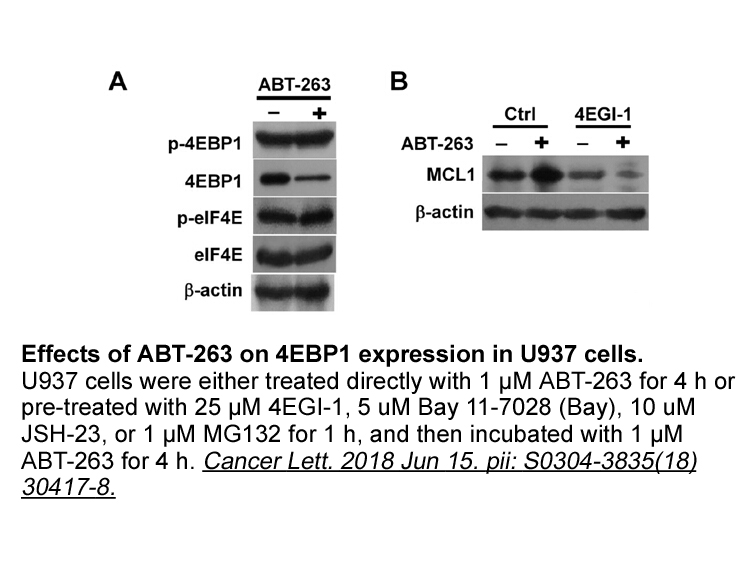
Experimental section Acknowledgments MIN6 cannabinoid receptor agonist were kindly provided by Dr. Junichi Miyazaki, Osaka University. This research was supported in part by the Ministry of Education, Culture, Sports, Science and Technology of Japan (JP16H05099 and JP18H04609 to K.H., and JP1
-
As glucagon stimulated hepatic glucose production is a key c
2022-09-09
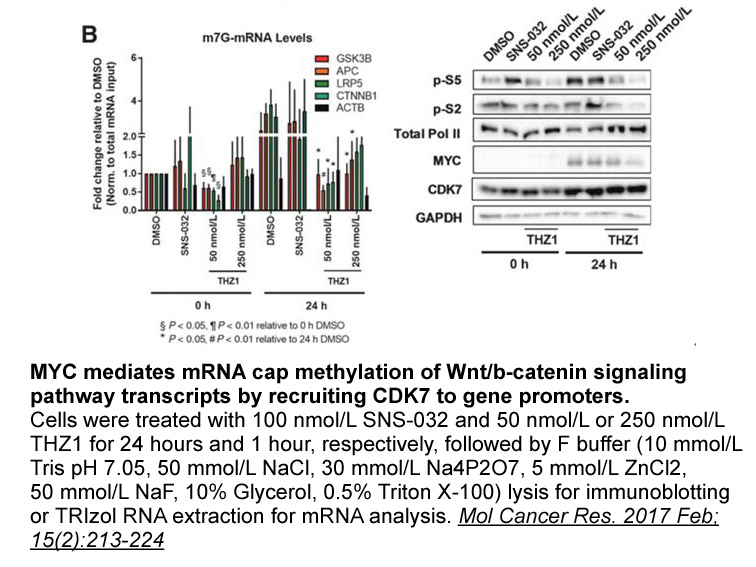
As glucagon-stimulated hepatic lb100 production is a key component of the normal response to hypoglycemia, the potential of a GCGr antagonist to delay or prevent recovery from a hypoglycemic state is a critical safety issue that must be addressed. Studies of the effects on time to recovery from a h
-
FBP ALDOA complex is located on both sides
2022-09-09
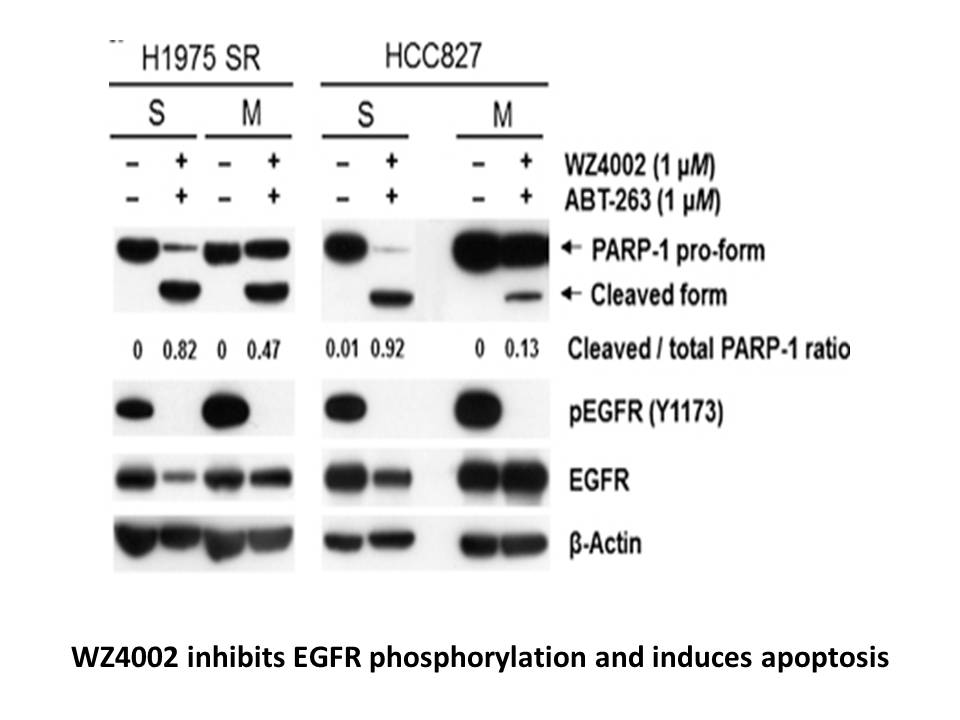
FBP2-ALDOA complex is located on both sides of Z-line in striated muscles (Rakus et al., 2003a; Gizak et al., 2003) and its stability is regulated by calcium ions (Mamczur et al., 2005; Rakus et al., 2013) (Fig. 3). An increasing titre of [Ca2+] which occurs during muscle contraction stimulates diss
-
br Materials and methods br Results To examine the
2022-09-09
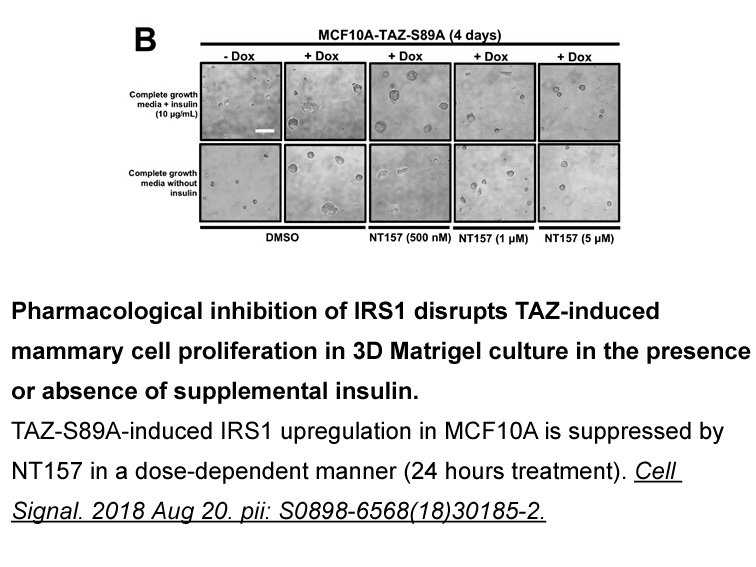
Materials and methods Results To examine the apoptosis in FLS in vitro, we measured the number of PRT 4165 in early apoptosis (Annexin V+, 7-AAD−) and late apoptosis/necrosis (Annexin V+, 7-AAD+) using flow cytometry after incubation with or without stimulating Fas antibody. In the absence of
-
E-64-d receptor br Experimental procedures br Conflicts of i
2022-09-08
Experimental procedures Conflicts of interests Introduction Here we investigate differences in growth properties and short-term morphological changes in response to ET-1 in Chinese hamster ovary (CHO) cells stably and separately expressing ETA or ETB receptors. A stably transfected CHO syst
-
jak stat inhibitor Another property shared between Hat p and
2022-09-08
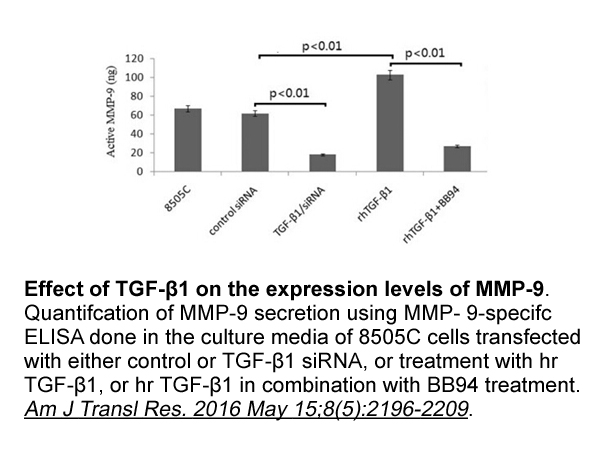
Another property shared between Hat1p and Rtt109p is a transient or substoichiometric interaction with Asf1p. Asf1p is necessary for the acetylation of histone H3 lysine 56 by Rtt109p. However, they do not appear to form a stable complex [22], [24], [27], [84], [90]. Surprisingly, the original type
-
br Although there are growing bodies of research dealing wit
2022-09-08
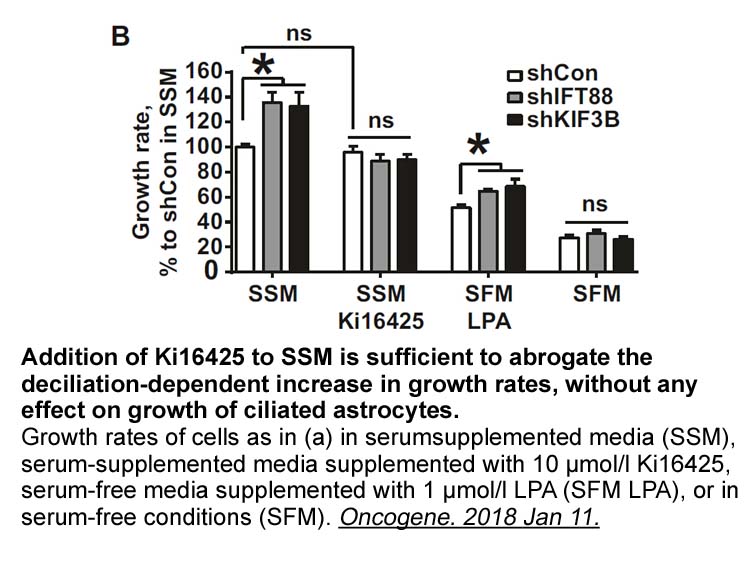
Although there are growing bodies of research dealing with diverse non-imidazole based compounds, they are not free from obstacles in their development pipeline and hence the design of these compounds is complicated by various factors briefly discussed below. One of the problems in designing H3R a
-
There have been a few studies
2022-09-08
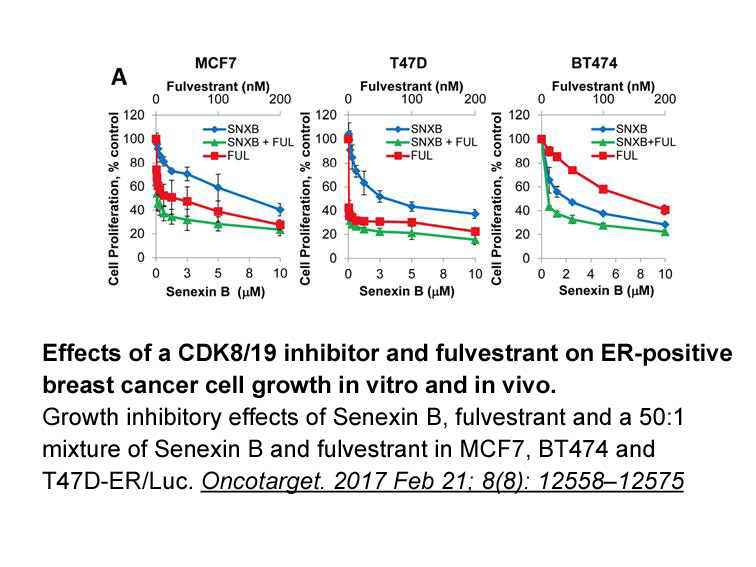
There have been a few studies investigating the effects of histamine on mast cells but the majority of these has been on rodent and cultured mast cells (Hofstra et al., 2003, Lippert et al., 2004, Jemima et al., 2014). How representative these systems are of primary human cells is a moot point since
-
Restless running behavior was first described in mice after
2022-09-08

‘Restless running behavior’ was first described in mice after administration of 30mg/kg i.p. ALX-5407 and was thought to be due to an augmentation of NMDA-induced dopamine activity [27]. The motor impairments caused by ALX-5407 were confirmed by Perry et al. [10] and extended to another sarcosine-de
-
br Material and methods br Result
2022-09-08
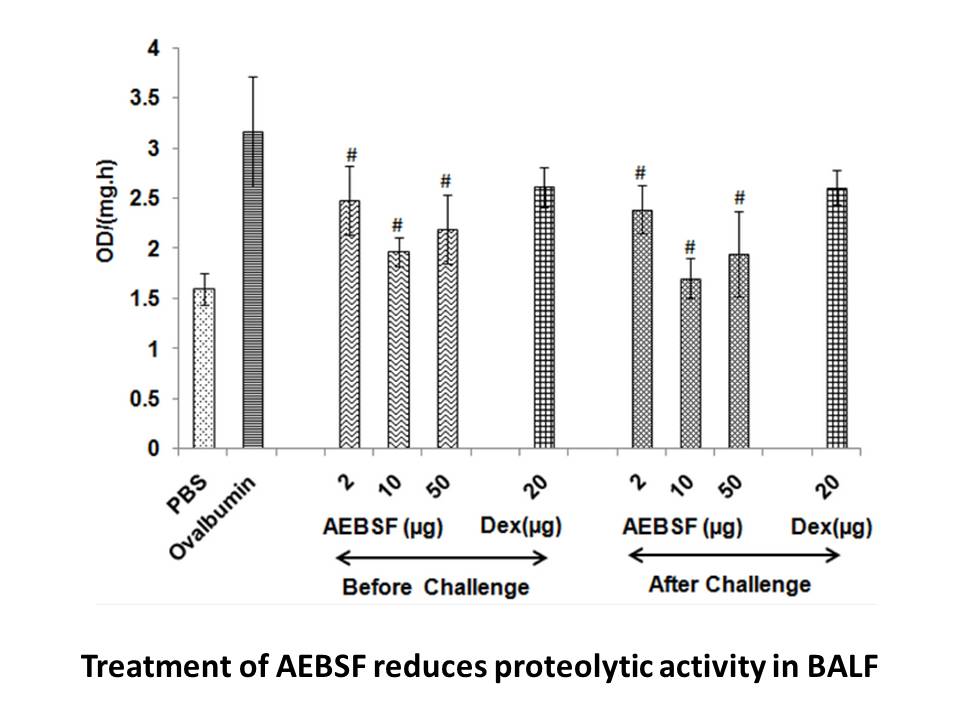
Material and methods Result Discussion The female with well-differentiated endometrial cancer, especially those in the reproductive age have a strong desire to preserve fertility. Therefore, conservative medical treatment with progestin is widely used in the clinic. However, up to 30% of pa
-
Throughout the last few decades
2022-09-07
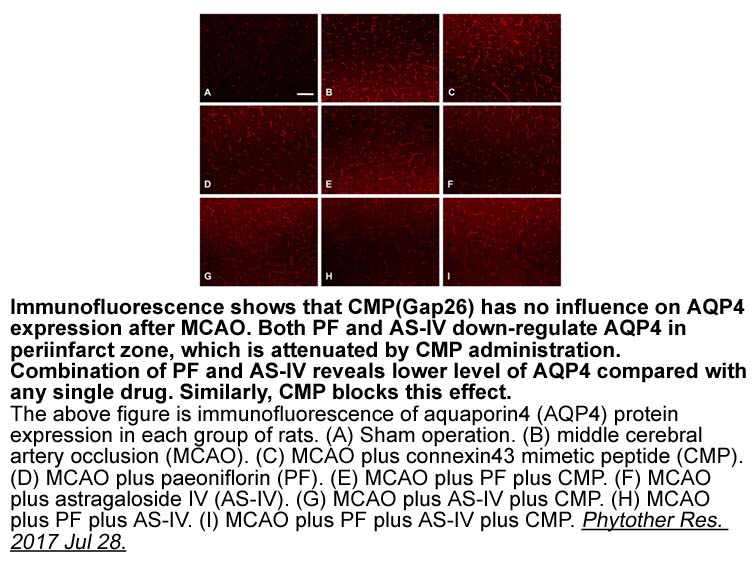
Throughout the last few decades, evidence has accumulated indicating that NTTs, whose primary location is the cell surface, are subject to a series of regulatory processes of intracellular traffic to and from the membrane (Robinson and Jackson, 2016; Vaughan and Foster, 2013). In addition, lateral m
8568 records 434/572 page Previous Next First page 上5页 431432433434435 下5页 Last page